By Allison Smith, Allison Smith Design (ASD)
Every great room has one thing in common: a star. Not a room full of them, just one. In interior design, we call it the focal point, but at Allison Smith Design (ASD), we like to think of it as your star player. It’s the element that stops you in your tracks when you walk through the door. The piece that makes you say, “Wow.” And just like in any great performance, the magic only happens when that star has the stage to themselves.
What Is a Star Player?
A star player is the interior design element in a room that commands the most attention. It could be a stunning statement sofa in a rich jewel tone. It might be a dramatic stone fireplace anchoring a living room. A breathtaking chandelier dripping from the ceiling. Or a bold piece of artwork that draws every eye the moment someone enters the space. The star player sets the tone for everything else in the room…it’s the beginning of your design story.
At Allison Smith Design, we believe that your home should tell a story that is uniquely yours. And like any good story, it needs a clear lead.
Why Only One?
Here’s where so many beautifully intentioned rooms go wrong: too many stars, and none of them shine.
Think about watching a TV show where all the actors are speaking at the same volume at the same time. No one is listening, no one is leading, and the whole thing becomes noise. A well-written scene always has one voice driving the conversation, with the supporting cast adding depth and texture around it. A well-designed room works exactly the same way.
When a room has too many competing focal points — too many bold choices all demanding equal attention — it becomes hard on the eyes and exhausting to be in. You might not even be able to put your finger on why the room doesn’t feel right. But more often than not, the answer is that there are simply too many stars fighting for the spotlight.
A Real-Life Example
We once worked with a client who had a cabin full of character. He came to us with a clear vision: he wanted dramatic, dark hardwood floors throughout the space. The problem? The house was already wrapped in dark, knotty pine paneling. It was a beautiful feature in its own right, but a bold one.
Together, we had to make a decision. Two strong design statements in the same room weren’t going to elevate each other, they were going to compete. Either the rich dark floors would be the star, which meant lightening or simplifying the paneling, or the knotty pine would take center stage, which meant reconsidering the flooring choice. Once we committed to one lead element (the dark floors), the room finally had the clarity and calm it needed to feel intentional rather than overwhelming.
How to Find Your Room’s Star
A star player could be almost anything: an architectural feature like a fireplace or exposed beam ceiling, a custom piece of furniture, a show-stopping light fixture, or even a gallery wall. The key is that once you’ve identified it, every other decision in the room should support it, not compete with it.
Supporting elements should complement the star through color, texture, and scale. They add richness without stealing focus. Think of them as the supporting cast: present, purposeful, and beautifully in service of the lead.
If you walk into a room and feel like something is off but can’t explain it, we encourage you to ask: how many star players are in here? If the answer is more than one, it’s time to edit.
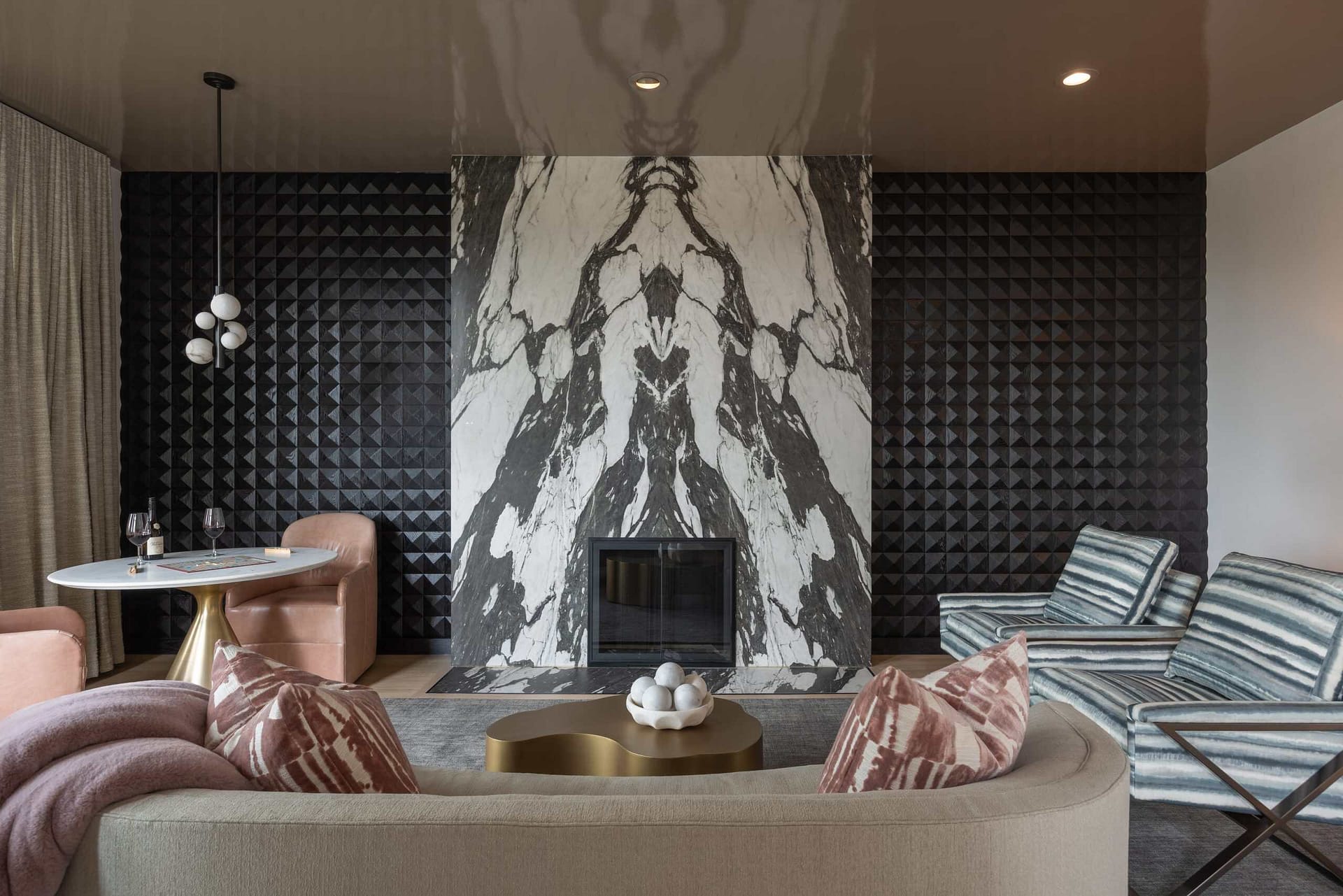
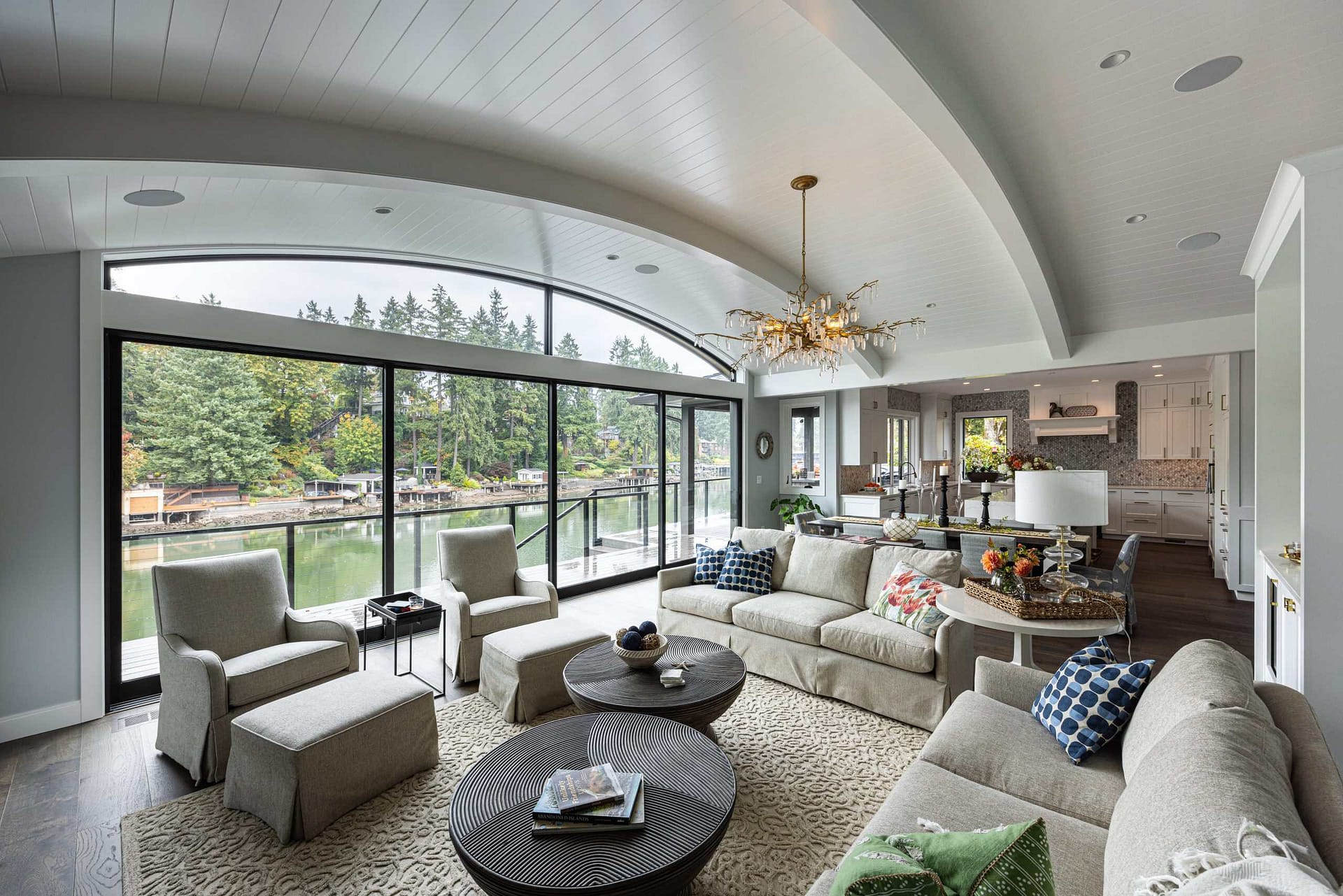
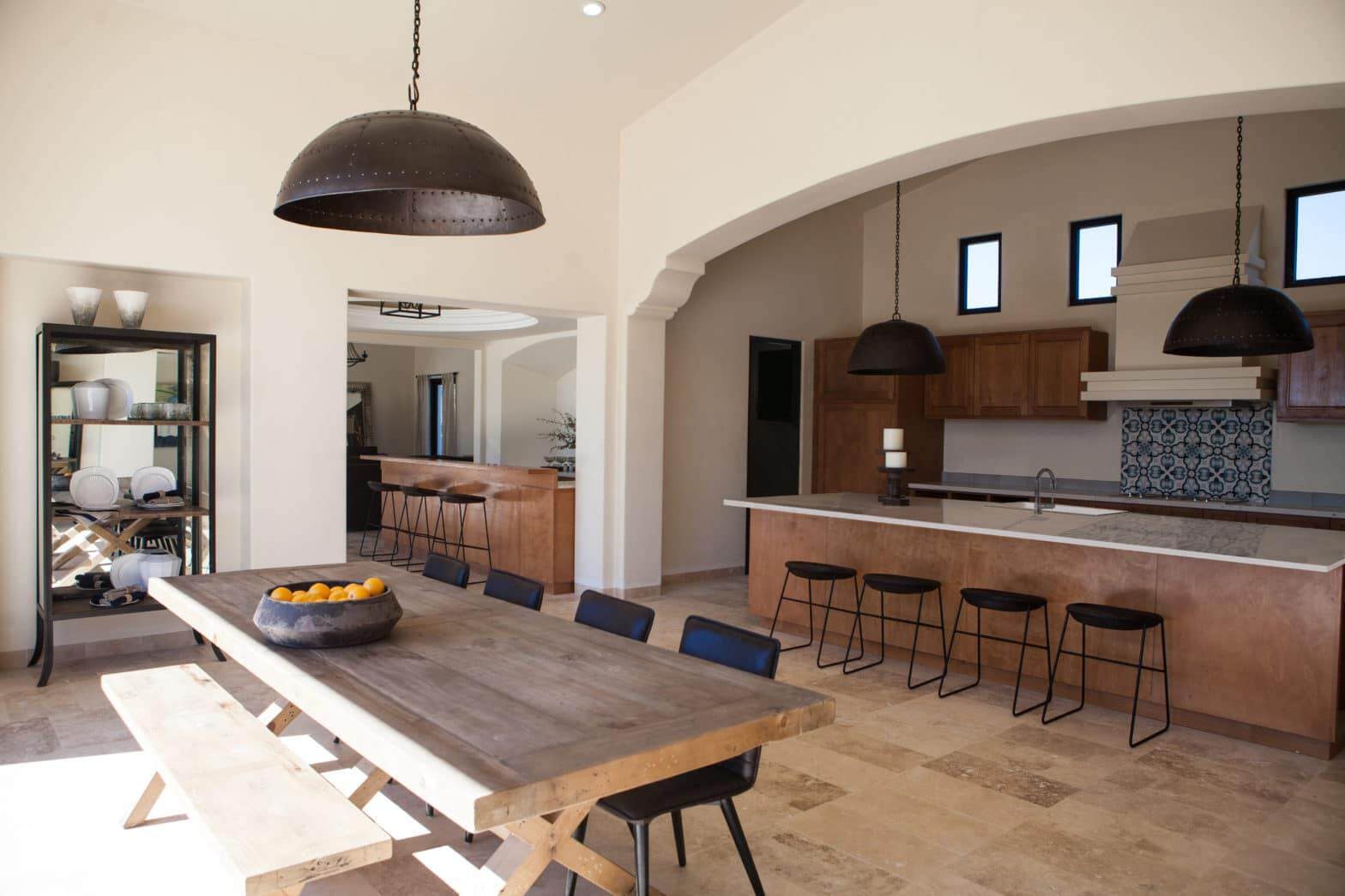
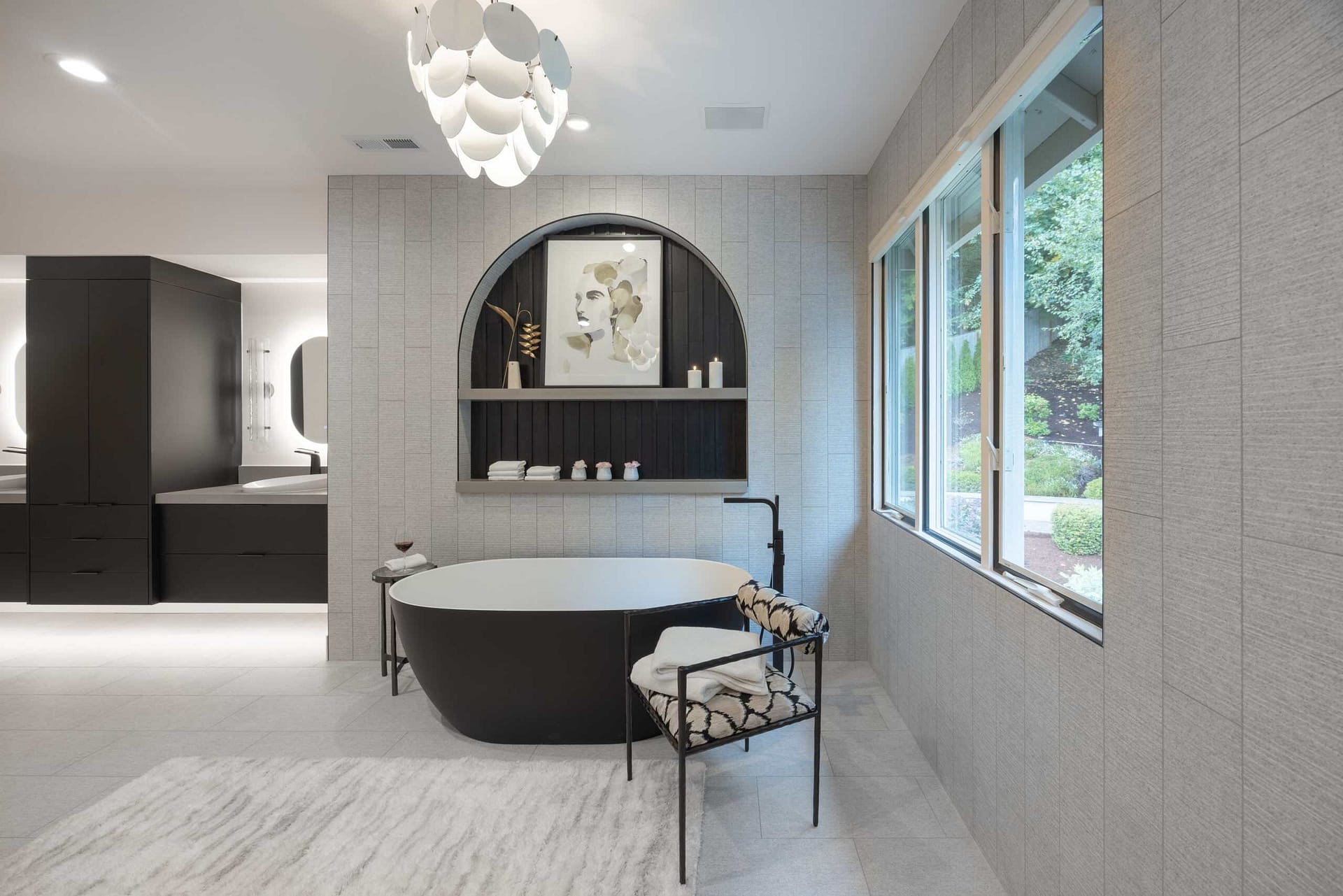
Find the Star!
See if you can identify the star player in each of these ASD-designed homes!
When to Call In Help
Sometimes it takes a trained eye to identify which element deserves the spotlight and which ones need to gracefully step back. Part of what we do at Allison Smith Design is walk into a space, read the room, and help you find the story it’s trying to tell. When a client has too many competing focal points, we work together to clear the noise so that one element can truly, beautifully shine.
Your home deserves a star. Let’s find yours. Visit us at allisonsmithdesign.com to learn more or schedule a consultation.


